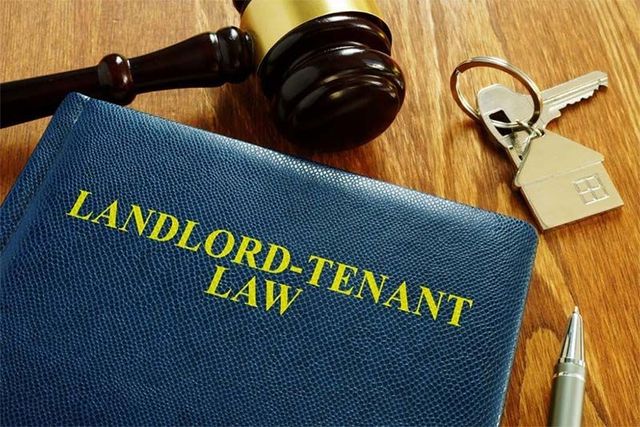
When to Employ a Landlord Attorney to Shield Your Rental Property Rights
Steering via the intricacies of rental property monitoring can present various difficulties for proprietors. From comprehending lease agreements to dealing with lessee disputes, the demand for legal experience typically develops. Many landlords ignore the importance of hiring an attorney until encountered with disagreements or prospective lawsuits. Identifying the ideal moments to look for legal advise can make a considerable difference in shielding one's financial investments and rights. What are the vital circumstances that necessitate such lawful support?
Understanding Lease Agreements and Their Effects
Just how can a well-crafted lease contract protect both landlords and lessees? A lease contract works as a fundamental lawful document laying out the legal rights and obligations of each party. For landlords, it develops clear terms regarding lease, upkeep obligations, and building use, minimizing the threat of misconceptions or conflicts. Renters take advantage of knowing their legal rights, such as down payment problems and termination stipulations. A complete lease can additionally resolve issues like late costs, pet policies, and subletting policies, making certain assumptions are established from the start. By describing these facets, both events can stay clear of possible disputes, fostering a smoother rental experience. Ultimately, a well-drafted lease agreement is necessary for keeping a healthy and balanced landlord-tenant partnership and safeguarding their respective interests.
Dealing With Occupant Disputes Properly
Despite having a well-crafted lease agreement, conflicts in between renters and landlords can occur. Effective handling of these disagreements is essential for preserving a favorable landlord-tenant relationship. Open up interaction typically serves as the initial step in fixing issues, permitting both celebrations to express their concerns and look for common ground. Documenting all arrangements and communications can supply clearness and work as evidence if required. Proprietors may profit from legal counsel to comprehend their responsibilities and civil liberties when disputes intensify. Making use of arbitration services can additionally be a reliable way to resolve conflicts without considering lawsuit. By coming close to disputes with professionalism and a desire to endanger, property managers can shield their interests while fostering a considerate atmosphere for their renters.
Navigating Eviction Processes
Navigating eviction procedures calls for a strong understanding of local eviction legislations to assure compliance and prevent potential pitfalls. Appropriate preparation of legal documents is necessary for a smooth change with the eviction procedures. Furthermore, having court depiction can considerably influence the result, making it crucial for property managers to contemplate legal aid.
Recognizing Eviction Laws
When confronted with the potential requirement for eviction, property managers typically find themselves overwhelmed by the intricacies of eviction regulations. These legislations vary considerably by territory, needing property owners to comprehend particular policies regulating notice periods, appropriate premises for eviction, and court procedures. Experience with local statutes is vital to prevent costly blunders that might postpone the eviction process or cause legal repercussions. Landlords have to recognize tenant legal rights, as improper handling of expulsions can lead to conflicts and potential insurance claims of wrongful eviction. Furthermore, many jurisdictions require proprietors to adhere to strict methods, such as declaring specific kinds and participating in court hearings. As a result, comprehending the ins and outs of eviction regulations is essential for proprietors seeking to protect their rental residential property rights successfully.
Preparing Lawful Documentation
Comprehending eviction regulations establishes the phase for proprietors to prepare the required legal documentation successfully. To launch the eviction procedure, property owners need to compose an official eviction notification that outlines the reasons for eviction, such as non-payment of rental fee or lease violations. This document should comply with state-specific needs relating to notice periods and formatting (San Jose Rental Property Legal Advice). In addition, landlords ought to preserve detailed documents, including lease arrangements, payment backgrounds, and communication with occupants, to sustain their claims. If the circumstance escalates, proprietors may require to submit a problem in court, which requires extra documentation, such as proof of solution. Correctly preparing these lawful records is necessary for a successful eviction process and safeguarding landlords' civil liberties throughout the process
Court Depiction Significance
Although many property owners might attempt to take care of eviction processes individually, securing court representation can significantly influence the outcome of their case. Landlord Attorney. Navigating via the lawful intricacies of eviction requires an understanding of local legislations, laws, and treatments. A knowledgeable property owner lawyer can supply beneficial insights and techniques customized to the particular scenario. They can efficiently provide the proprietor's instance, guaranteeing all needed documents is sent properly and on schedule. Furthermore, lawyers can expect potential difficulties and counterarguments from occupants, boosting the chance of a beneficial judgment. Additionally, having legal representation can prevent occupants from lengthening the eviction process, as they are much less likely to challenge an attorney's competence. Overall, expert lawful aid is essential for landlords looking for successful eviction end results
Resolving Lease Violations and Non-Compliance

Identifying Lease Violations
Lots of property owners may experience lease violations at some point throughout their rental possession. Determining these infractions is important for maintaining home rights and ensuring conformity. Common lease violations consist of unsettled rental fee, unauthorized pets, too much noise, and home damage. Landlords must carry out regular examinations and connect freely with renters to spot possible problems early. Documenting violations via created images and notices aids develop a clear record. Additionally, proprietors should familiarize themselves with lease terms and regional laws to efficiently identify non-compliance. By being vigilant and positive in keeping track of lessee habits, property managers can safeguard their interests and maintain the honesty of their rental agreements. Acknowledging these offenses early can avoid more complications down the line.
Lawful Remedies Offered
How can property managers efficiently resolve lease infractions and assurance conformity? Landlords have numerous lawful solutions at their disposal. They might release official notifications to occupants laying out the details lease offenses, giving a clear target date for resolution. Eviction Lawyer For Landlords. If non-compliance persists, property managers can seek eviction procedures, which need adhering to state-specific legal procedures. Furthermore, some territories enable financial damages, allowing property managers to recoup shed lease or repair service prices incurred because of renter overlook. Mediation can additionally function as a useful approach, promoting negotiations in between occupants and proprietors to solve conflicts amicably. Consulting with a property owner lawyer can further direct property owners in picking one of the most ideal lawful solution while making sure adherence to regional laws and policies
Making Certain Lawful Compliance With Regional Rental Regulations
Guiding with the complexities of local rental legislations can commonly leave landlords questioning their lawful obligations. Each territory has its very own collection of regulations relating to tenant legal rights, eviction treatments, and residential property maintenance requirements. Failing to conform with these legislations can cause legal conflicts or expensive charges. Landlords have to remain educated about modifications in legislation, zoning legislations, and habitability demands to ensure conformity. This is where the expertise of a proprietor lawyer becomes important. They can supply guidance on best methods, help in composing lease agreements that line up with regional regulations, and help navigate any kind of disagreements that may develop - Steven Adair MacDonald & Partners PC. By hiring a knowledgeable attorney, landlords can protect their interests and keep compliance with all appropriate laws
Taking Care Of Safety And Security Down Payments and Renter Claims
When it involves handling down payment and attending to occupant cases, property managers should browse a landscape loaded with potential conflicts and particular policies. Correct handling of safety down payments is important, as failing to abide by state laws can result in considerable charges. Landlords are generally needed to give a created notification regarding the deposit's use and return timeline. In addition, recording the residential or commercial property's condition before and after tenancy can assist alleviate disagreements over problems. When tenants make insurance claims, such as withholding lease or asking for down payment reimbursements, proprietors ought to respond immediately and skillfully. Involving a landlord attorney can guarantee that property managers recognize their responsibilities and rights, eventually assisting to secure their passions and keep positive occupant connections.
Looking For Support on Home Maintenance and Liability Problems
While home maintenance is a basic duty for property managers, it typically intertwines with responsibility concerns that can develop from forget or incorrect handling of repair services. Landlords have to ensure that their homes are safe and habitable to stay clear of prospective lawful effects. When maintenance requests are ignored or inadequately attended to, lessees may endure problems or injuries, resulting in liability insurance claims versus the property manager. Looking for assistance from a property owner lawyer can supply necessary insights right into regional laws and regulations pertaining to property upkeep standards. An attorney can assist property owners understand their responsibilities, create effective maintenance procedures, and react suitably to tenant grievances. By prioritizing legal support, landlords can reduce dangers and secure their financial investment in rental residential or commercial properties.
Often Asked Concerns
What Are the Prices Connected With Working With a Landlord Attorney?
The prices related to employing a landlord attorney commonly consist of per hour prices, flat fees for particular services, and potential retainer costs. Added expenditures might develop from court filings and various other lawful paperwork demands.
How Can an Attorney Assist With Property Monitoring Issues?
A lawyer can help with home management issues by providing lawful guidance, drafting rental agreements, making sure compliance with local laws, standing for proprietors in disagreements, and assisting navigate tenant relationships to lessen dangers and enhance functional efficiency.
Can I Stand For Myself in Landlord-Tenant Court?

What Are the Indications I Need Legal Support?
Signs that legal aid is required include getting eviction notices, experiencing occupant disagreements, facing lease violations, encountering difficult find legal procedures, or feeling bewildered by intricate regulations - Eviction Lawyer For Landlords. Steven Adair MacDonald & Partners PC. Looking for professional help can protect civil liberties and ensure conformity
How Can I Locate a Qualified Landlord Attorney?
To discover a certified property manager attorney, one can seek recommendations from actual estate professionals, search on-line legal directories, testimonial client testimonials, and inspect bar organization listings to confirm qualifications and competence in landlord-tenant legislation.